
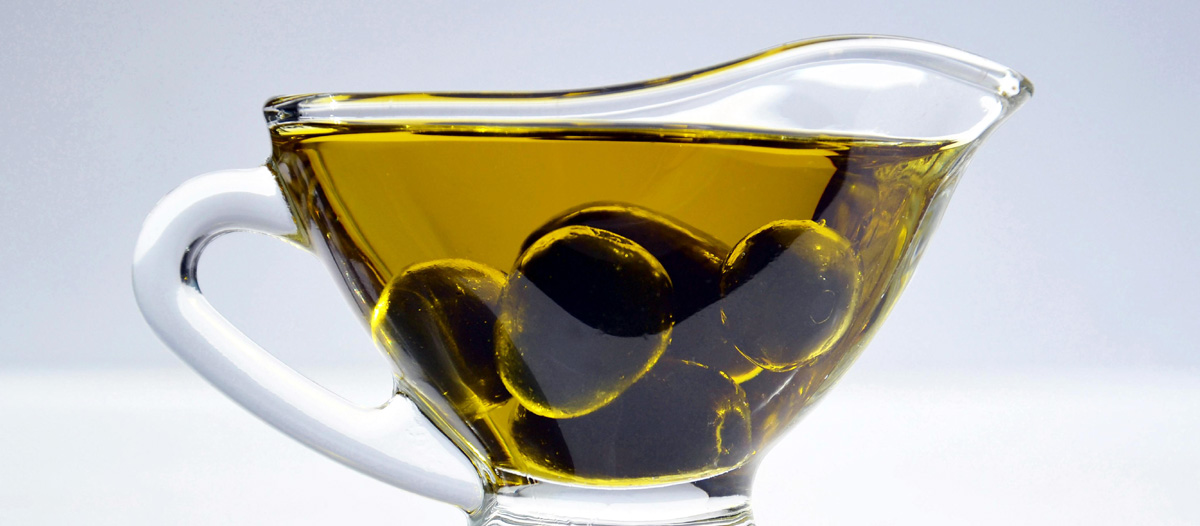
You’ve probably got a bottle of olive oil in your kitchen right now. And for good reason—it’s one of those rare things that’s both good for you and genuinely delicious. But here’s the thing: that golden liquid didn’t just appear on the shelf. Getting from olive to bottle is surprisingly precise, and a lot can go wrong along the way.
1. Harvesting: When You Pick Matters
It all starts in the grove. Workers either shake the trees with machinery or pick by hand, but the real decision is when to start.
- Timing is everything: Grab the olives early, when they’re still green, and you’ll get oil that’s bold, peppery, and almost spicy. Wait until they’ve ripened to black, and the oil turns out milder and buttery. There’s no right or wrong—it’s about what you’re after.
- When it happens: If you’re in Tuscany or Andalusia, harvest means working through October to December, often before the frost hits.
2. Crushing and Malaxation (the Fancy Word for Mixing)
Here’s where the clock starts ticking. Once those olives are picked, they need to be crushed within 24 hours. Let them sit longer, and they’ll start fermenting—and nobody wants fermented olive oil.
- Crushing: They toss in the whole olive—pit and all—and grind it into a thick, chunky paste.
- Malaxation: This is the secret step. The paste gets slowly stirred in big stainless steel tanks. Why? To let tiny oil droplets find each other and join forces. It’s also when those beautiful aromas really come out. And they keep the temperature low—usually below 27°C—so they can slap that “Cold Pressed” label on it.
3. Extraction: Spinning the Good Stuff Out
Forget the old stone presses you see in photos. These days, it’s all about the centrifuge. Think of it as a really fast spinner that separates everything by weight:
- The solids (pomace): Skins, pits, the leftover mush—all spun out.
- The vegetation water: The natural water from the olives gets tossed too.
- The oil: What’s left is pure, beautiful olive oil, ready to be collected.
4. Filtration and Bottling
Fresh oil can be a little cloudy—it’s got tiny bits of sediment and moisture hanging around. Some people love that “unfiltered” look, but filtering actually helps the oil last longer by removing stuff that could eventually spoil it.
- Clarification: It’s just a final polish, really. Keeps the oil bright and fresh.
- Bottling: Ever wonder why olive oil comes in dark glass or tin? Light is the enemy. It degrades the oil. So into dark bottles it goes, with labels telling you where it’s from, how acidic it is, and whether it’s the real deal.
Bottom Line
Making olive oil isn’t complicated, but it is exacting. From the moment that olive leaves the branch to when you drizzle it on your salad, every choice affects what ends up in the bottle. Whether you’re a total snob or just someone who likes to cook, knowing what went into it makes that first taste just a little better. Liquid gold, indeed.