
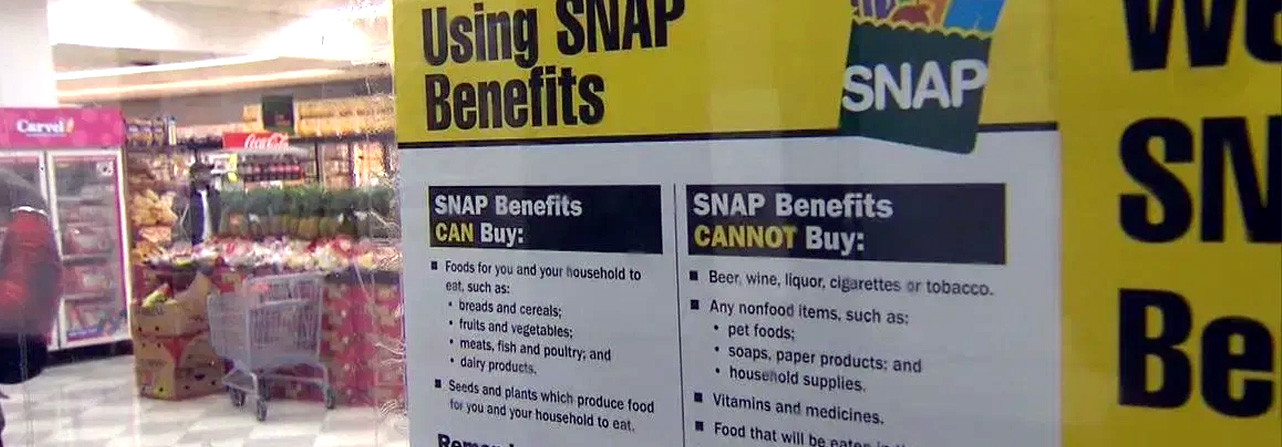
SNAP policy debates happen in Washington, but the operational impact lands squarely at the register. The Trump administration has rolled out regulations aimed at limiting what items can be purchased on the SNAP EBT card and the rollout has created a patchwork mess. While the USDA began granting state waivers to block the purchase of soda, candy (and other items it deems non-nutritious) on EBT cards, a D.C. federal district judge vacated those approvals on June 22, 2026, across five states (CO, IA, NE, TN, WV) for exceeding agency authority.
The end result is that retailers have to navigate regulations and court decisions that effectively bans an item on one side of a state border while the identical SKU rings through normally on the other. The five states affected by the June decision saw their rules flip back overnight. Point-of-sale systems must maintain these shifting flags SKU by SKU, store by store. Retail trade groups estimate the operational toll at roughly $1.6B upfront and up to $759M annually, primarily driven by register reprogramming, system maintenance, and store-level compliance.
The updated SNAP stocking standards are set to take effect on November 4, 2026 which will be the compliance deadline for all retailers authorized to accept SNAP benefits. Under the final rule published May 8, 2026, retailers (other than specialty stores such as butchers and farm stands) must now stock seven varieties in each of the four staple food categories—dairy, vegetables or fruits, grains, and protein—up from the previous requirement of three varieties per category. That brings the total required staple items to 28 (7 × 4), not 12. The rule also increases the number of categories that must include at least one perishable variety from two to three.
Small-format retailers that secured SNAP authorization on a thin staple set now face a real compliance challenge. Meanwhile, SNAP participation has fallen sharply: USDA data shows 36.6 million people received benefits in May 2026, down from 42.2–42.3 million in May 2025—a decline of roughly 5.7 million people, or about 13–14% year over year.
To learn more and keep up Go-To: