
Food recalls in the United States tend to cluster around the same types of products year after year. While individual recall events change, the underlying risk profile of many food categories does not. Certain foods are more vulnerable to recalls because of how they are produced, handled, regulated, and consumed.
This overview examines the food categories most often recalled in the U.S., based on long-term patterns in FDA and USDA recall reporting. Food recalls are not evenly distributed across the food supply chain and some foods are recalled more often simply because they are harder to control, more widely consumed, or subject to stricter oversight. Understanding which categories carry higher recall risk helps consumers, retailers, and food businesses make more informed decisions without assuming that a recall automatically signals unsafe food.
1. Prepared and Ready-to-Eat Foods
Prepared and ready-to-eat foods are among the most frequently recalled categories because they combine complex manufacturing with minimal consumer preparation. These products are often eaten as-is, leaving little margin for error.
- Multi-ingredient formulations increase allergen and labeling risk
- Post-cooking handling introduces contamination opportunities
- Refrigeration supports survival of Listeria monocytogenes
Helpful Resource
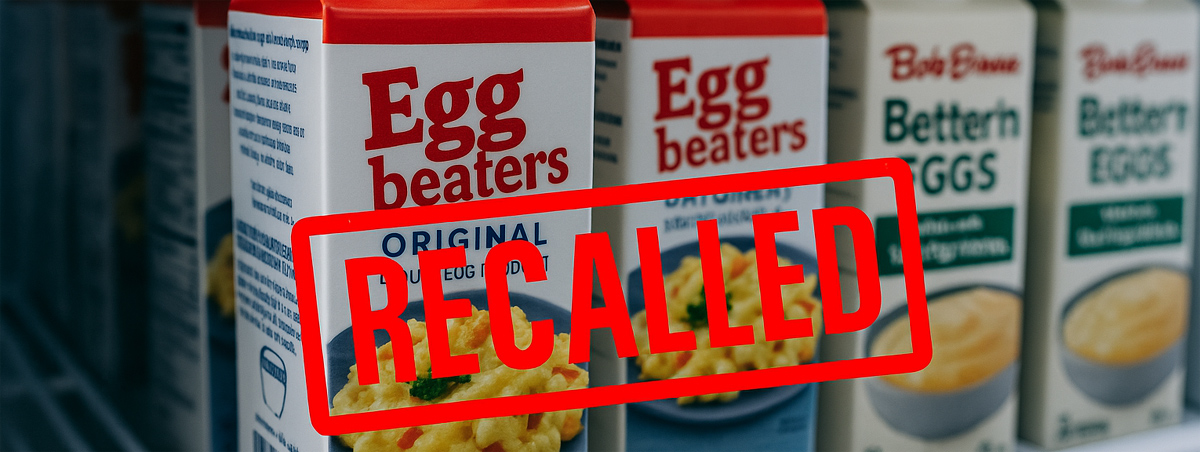
Stop Foodborne Illness is a nonprofit organization that provides free food recall alerts.
2. Fresh Produce (Fruits and Vegetables)
Fresh produce has long been associated with higher recall frequency due to environmental exposure and limited processing controls. Many fruits and vegetables reach consumers without a true kill step.
- Exposure to soil, water, and wildlife during growing and harvest
- Washing reduces but does not eliminate pathogens
- Wide distribution increases the scale of potential recalls
3. Dairy Products
Dairy products, particularly soft cheeses and fresh milk products, appear regularly in recall data despite extensive regulation. Cold-chain dependence and post-pasteurization handling remain key vulnerabilities.
- Cold storage environments allow pathogen persistence
- High moisture and neutral pH support microbial growth
- Strict allergen labeling requirements increase recall sensitivity
4. Meat and Poultry Products
Meat and poultry recalls are especially visible due to continuous inspection and routine verification testing. Detection rates in this category are strongly influenced by regulatory oversight.
- Pathogens such as Salmonella and E. coli
- Complex slaughter and processing environments
- Elevated controls for ready-to-eat meat products
5. Baked Goods and Snack Foods
Shelf-stable foods are recalled less often for microbial contamination and more often for labeling and formulation errors, particularly those involving allergens.
- Undeclared allergens are the primary recall driver
- Shared production lines increase cross-contact risk
- Recipe or supplier changes may not be reflected on labels
6. Seafood
Seafood recalls are shaped largely by sourcing and logistics rather than domestic processing alone. Global supply chains introduce unique traceability and handling challenges.
- International sourcing complicates traceability
- Temperature abuse during transport increases risk
- Species identification and labeling errors
7. Dietary Supplements and Specialized Nutrition
Dietary supplements and specialized nutrition products receive heightened scrutiny because they are often consumed by infants or medically vulnerable populations.
- Ingredient identity and purity concerns
- Heavy metal exposure risk
- Low tolerance for formulation or labeling deviations
8. Eggs and Egg Products
Eggs and egg products remain a recurring recall category due to biological risk and the need for consistent temperature control throughout the supply chain.
- Association with Salmonella
- Sensitivity to storage and transport temperatures
- Additional risks in liquid and processed egg products
Notes and Methodology
Higher recall frequency does not necessarily indicate weaker safety practices. In many cases, frequent recalls reflect more intensive testing, faster detection, or lower tolerance for risk particularly for foods consumed without further cooking or intended for vulnerable populations.
Across categories, the most common recall drivers remain undeclared allergens, environmental pathogen contamination, labeling errors, and post-processing exposure. These factors are consistent year over year.